An educational children’s toy
2023
I set myself the initial brief of a product to help children to engage in the process of design.
Over the course of my research this evolved into designing an educational toy to help children develop design thinking skills.
The Outcome
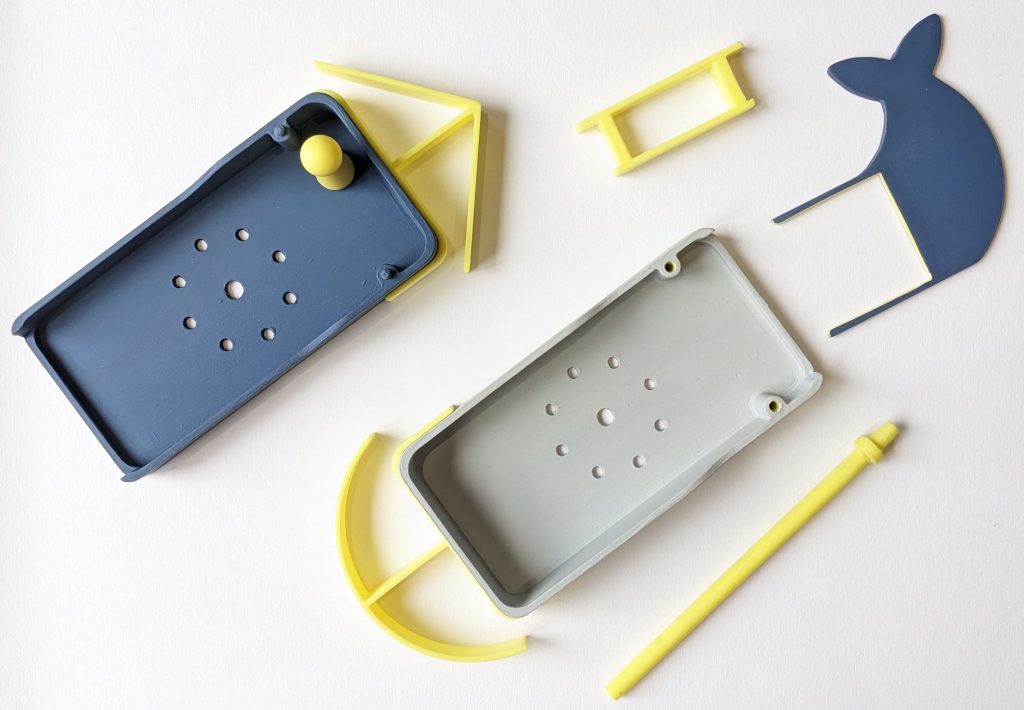
An educational toy for young children that encourages problem solving and teaches design thinking skills.
At the start the boat is ‘broken’, when placed on water it sinks because of the holes. The initial aim for the child is to use items and materials from around their house (e.g. tinfoil, elastic bands, paper etc) to ‘fix’ the boat so it floats. After that the toy has a more open play style: Will they add a sail? Or a crowsnest? Or maybe a slide?
The Process
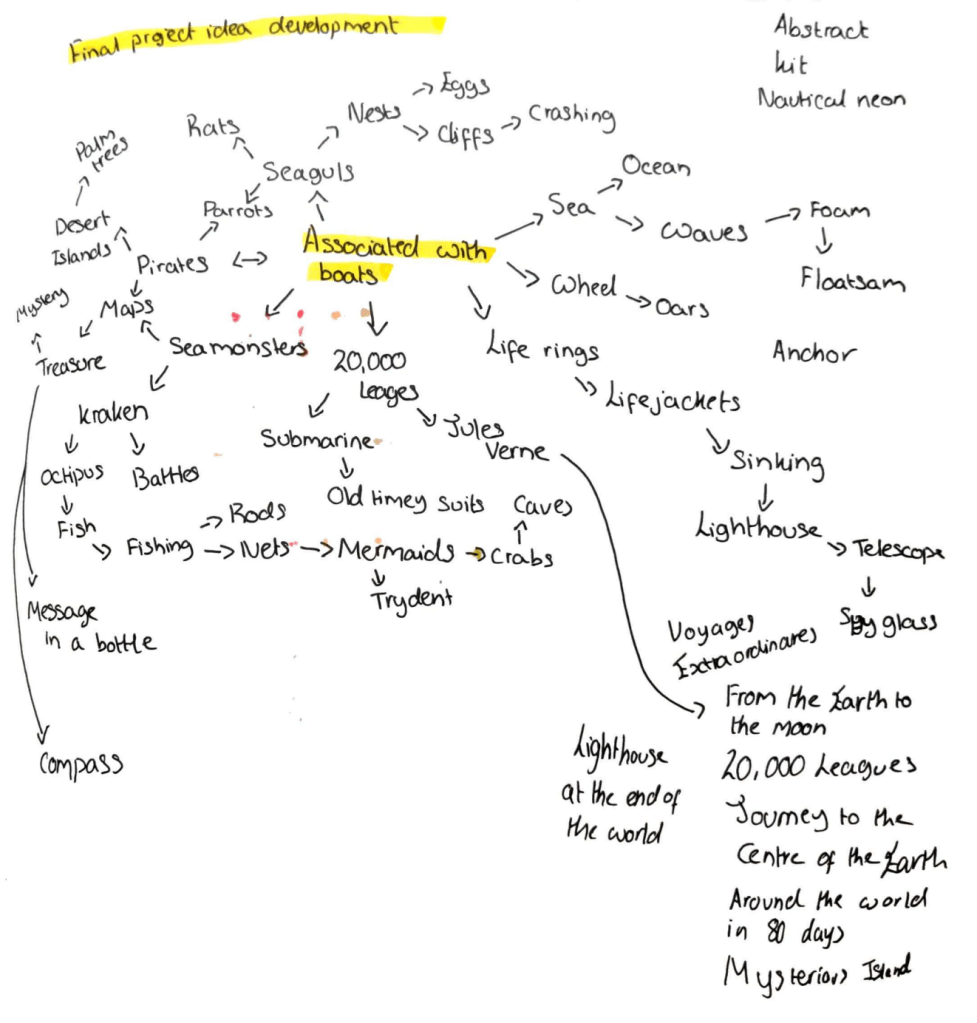
Research
Expert Interviews/ Surveys
Get relevant up to date information directly from people who know the most about these areas. Also get first hand information directly from the people who could be using this project if it were put into manufacture.
I interviewed teachers and experts in play teaching methods.
Existing Products
Establish what already exists in the market and identify gaps and areas that could be improved.
School Visit
As part of this project I visited a local primary school to gather feedback on the children’s current attitudes to design.
I designed a set of activities tailored to different age groups to investigate how they approach design tasks and how creative they could be.
The project brief directly revolves around helping to engage children in design processes and thinking, so it was essential to involve children directly.
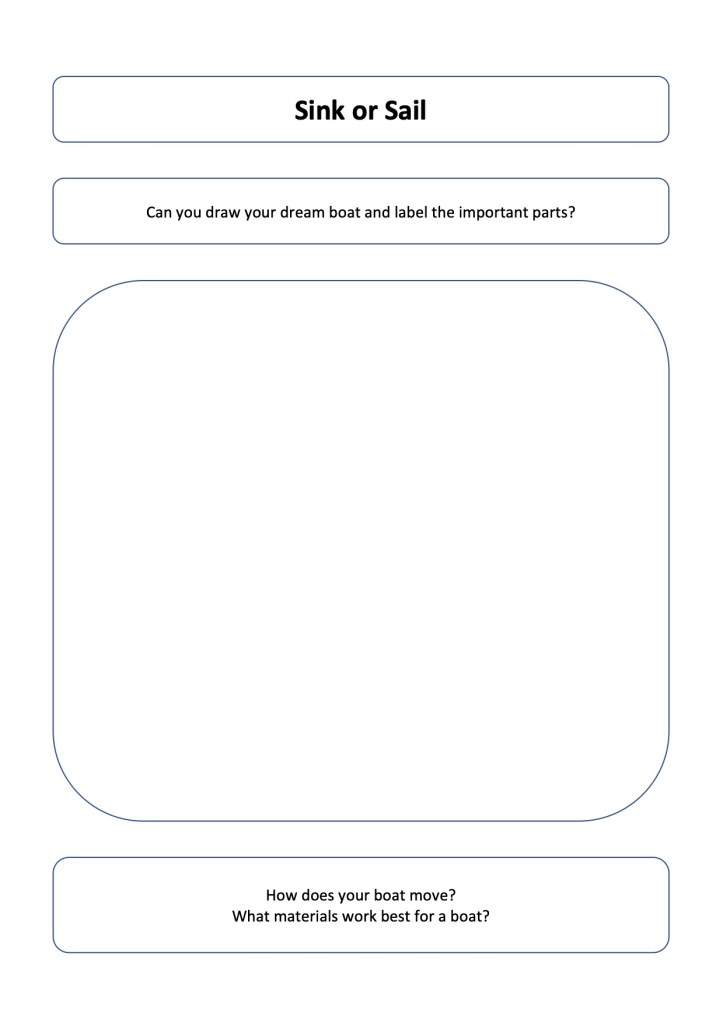
Design

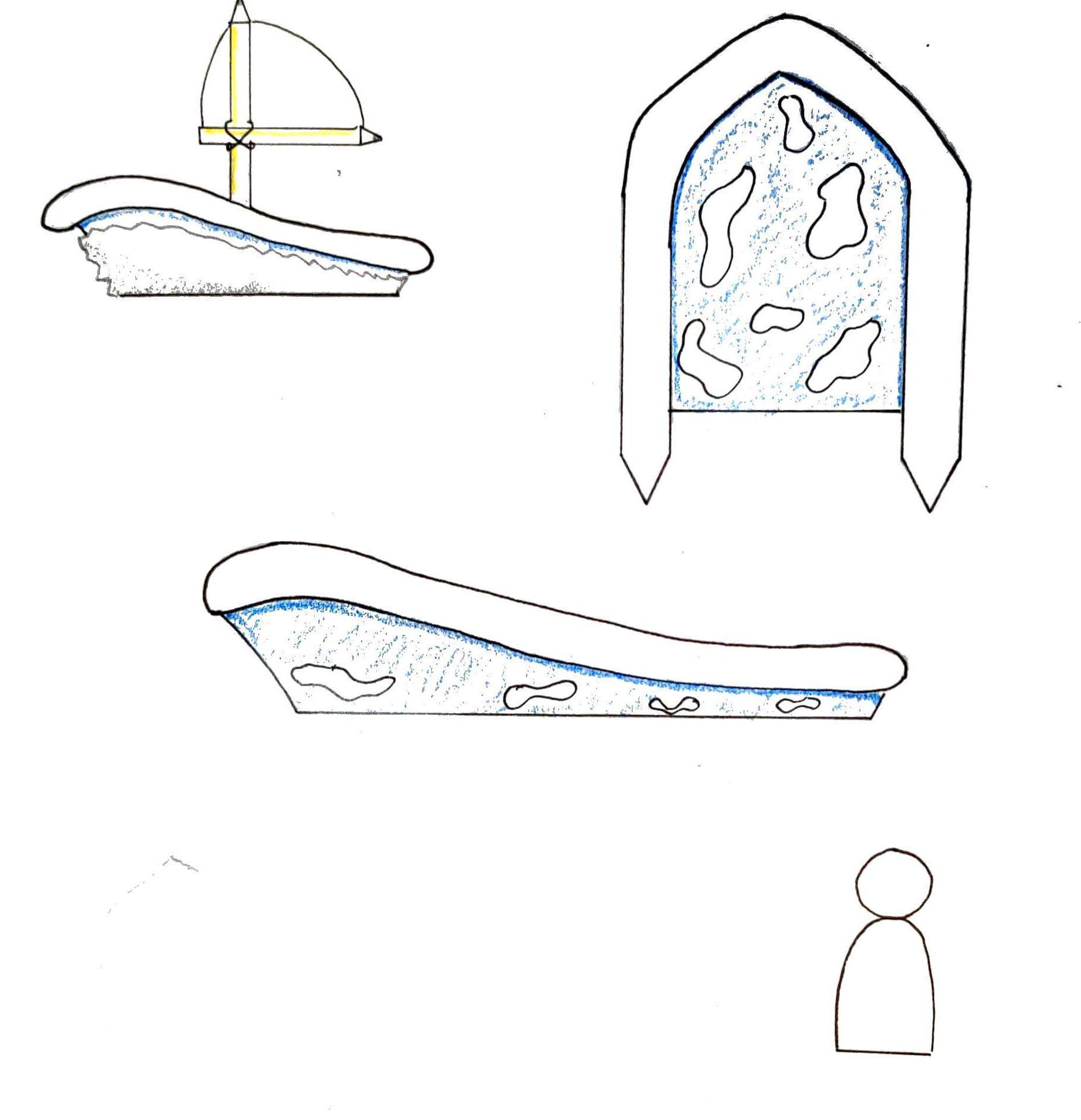
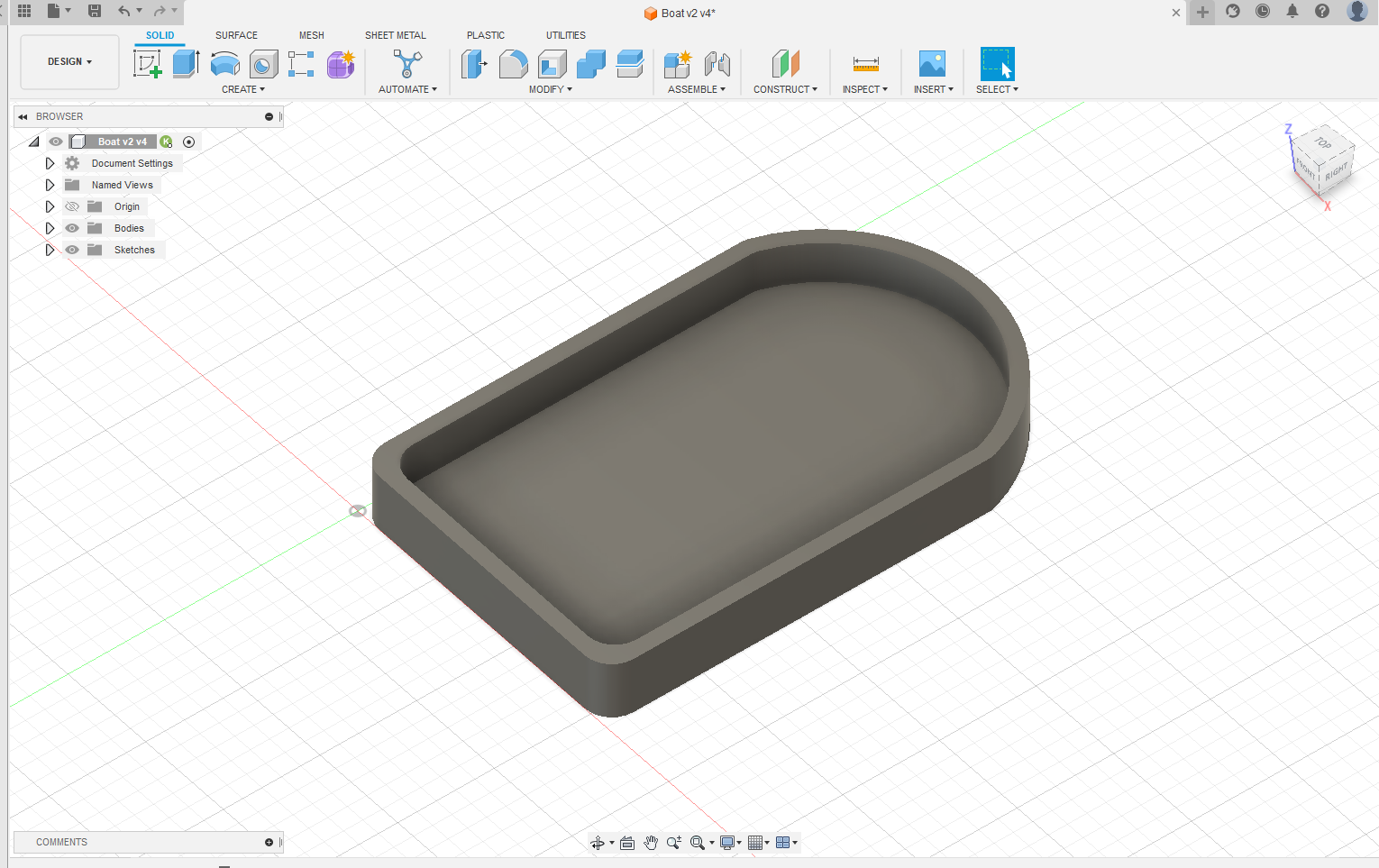
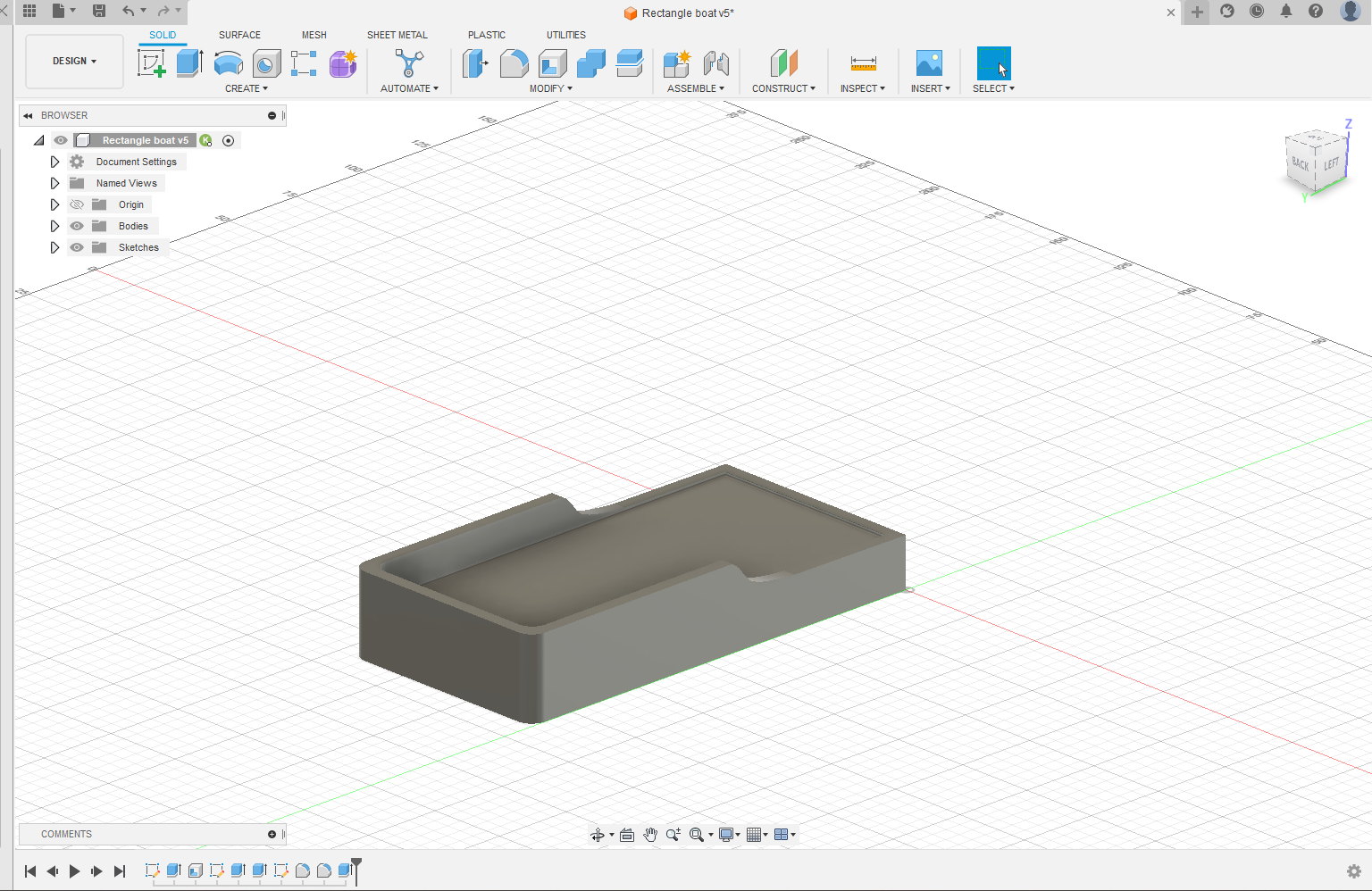


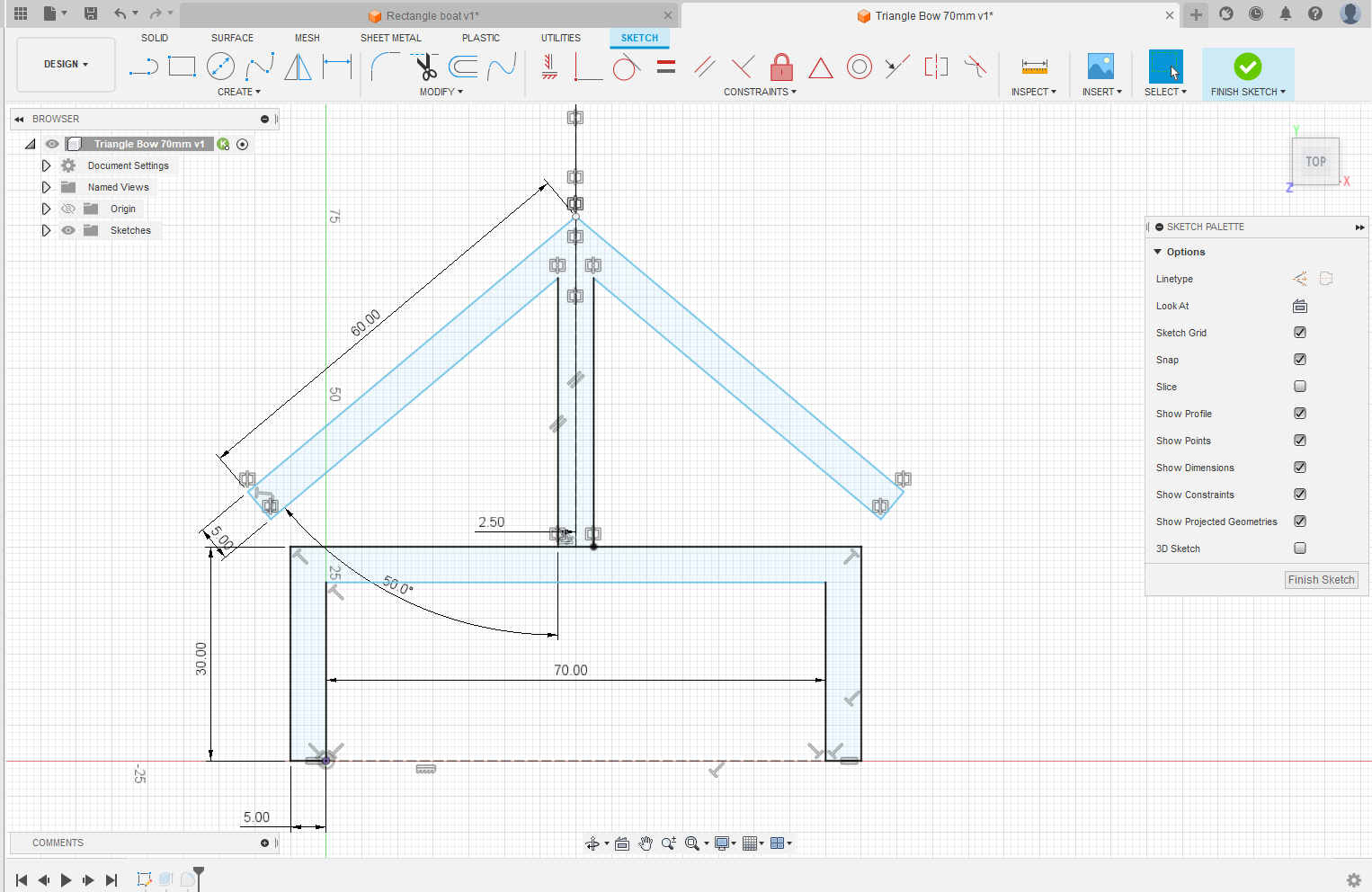

CAD Development
Fusion 360 allowed me to further develop the shape of the toy whilst insuring the scale remained correct.
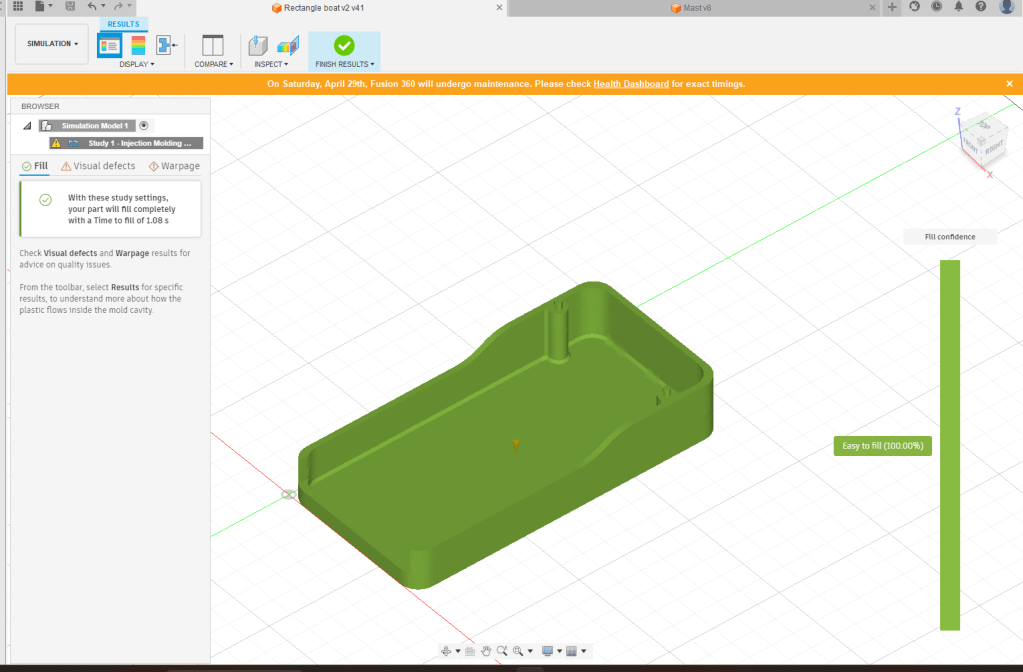

CAD Testing
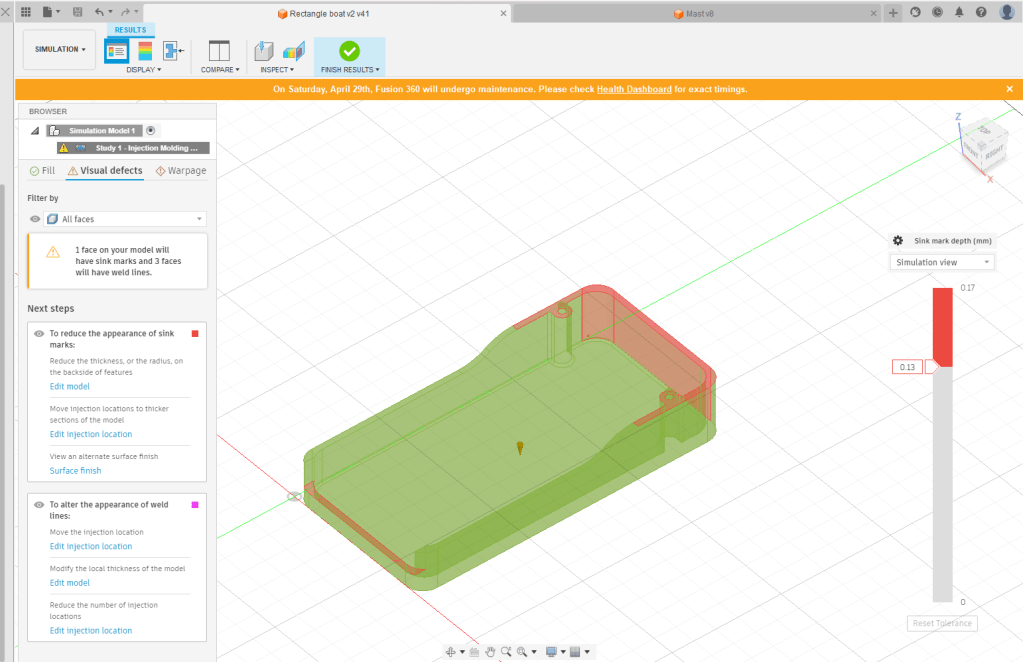
I used Fusion 360 to run injection moulding tests on all parts of the toy to check that the shape was optimised for that manufacturing method.
Final Design
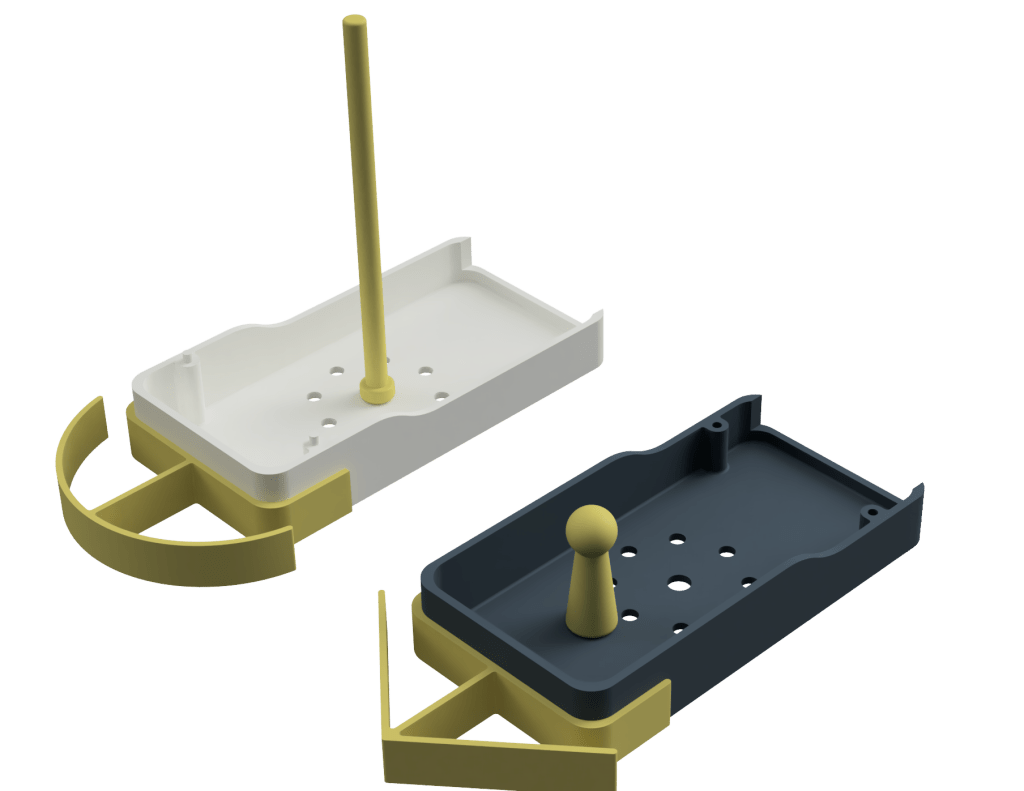
The toy has multiple components that can be arranged into three different configurations, each one creating new challenges that the child will need to solve.
Separate boats
- All ages within age range
- Large open area for children to build on
- When weight is applied to the boats they will begin to sink- the child will need to find a way
to prevent this using material found around the house. - Child is free to test out different ideas and designs to improve or add to the boat.
- The back of the boat is open so that components like paddles or motors could be attached.
Catamaran configuration
- Connecting the two boats together leads to an extra level of complexity as anything added
to one boat will affect the other. Inspired by the ‘chain reaction’ concept from the ideation
phase of my project. - Designed for older children- begins to explore levers and moments

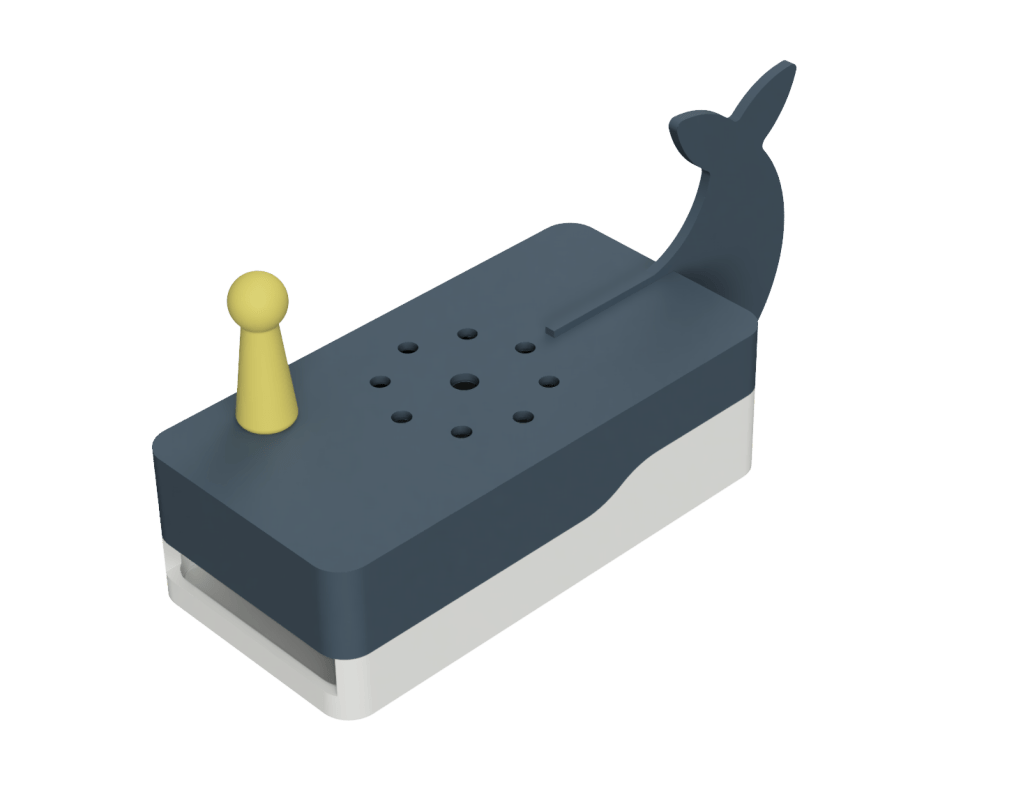
Whale Configuration
- Aimed at younger children
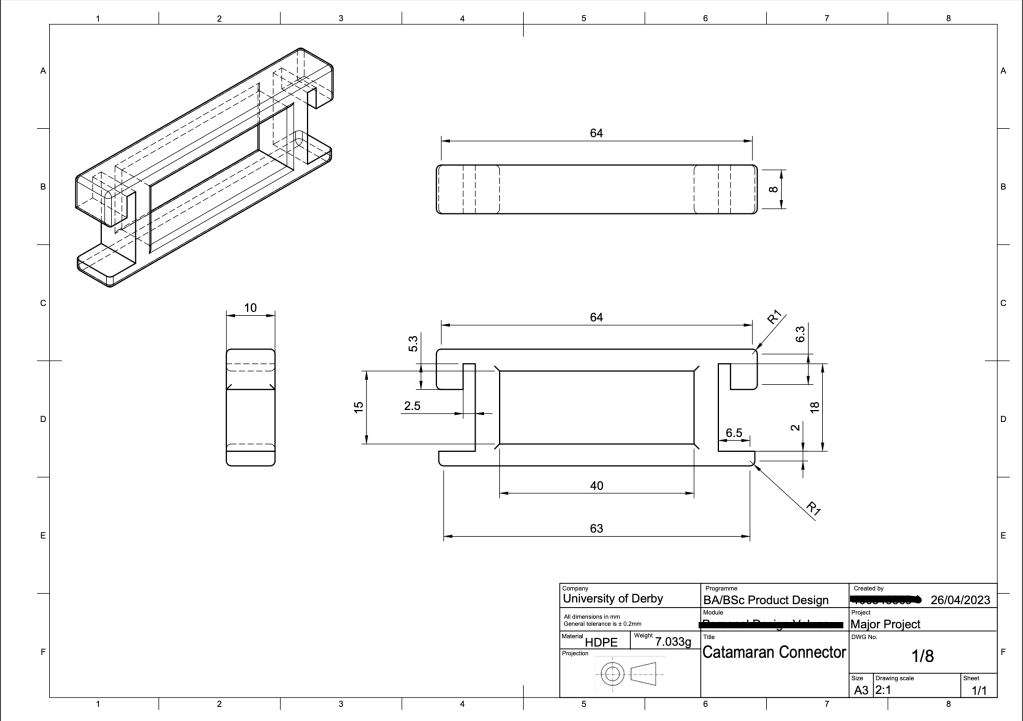
- The two tessellating boats are stacked on top of each other and secured using a whale tail
shaped clip and two small internal connectors. - The position of the whale tail means that there is too much weight at the back of the design
so the child will need to add items to the front/top of the whale to equal it out.

Prototyping

The aim of the physical prototyping was to replicate the processes that would be used in mass manufacture using the equipiment avaliable to us. The initial plan was to vacuum form the main two boats; due to unforseen circumstances I was not able to get the required training on the vacuum former.
To solve this problem I instead used the Fusion 360 model to 3D print all the components.
Then I used modelling paint to replicate the colours and a clear topcoat to waterproof it.
 Katie Nock
You must be logged in to post a comment.